
The House Always Wins? Why Smart Players Still Show Up
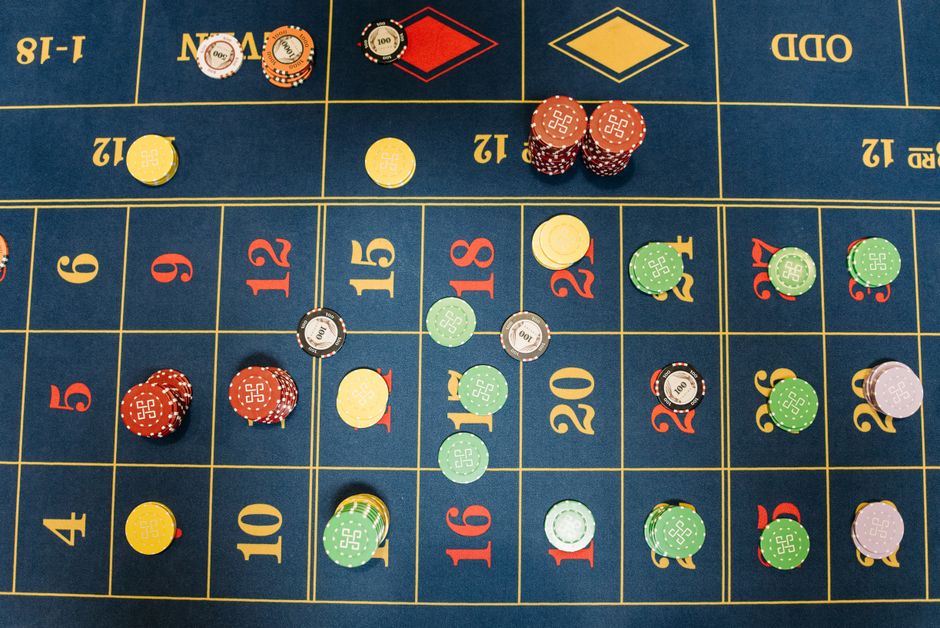
Every gambler has heard the phrase "the house always wins." It's true in the long run, mathematically speaking. And yet millions of people log into online casinos every day, grind poker tables for hours, and sweat over accumulator bets on a Sunday afternoon. Are they all delusional? Not quite. The smart ones understand something the slogan hides: the house edge is real, but it is not fate. It is a number, and numbers can be worked with. That gap between blind hope and cold calculation is where the entire iGaming world lives.
The Mathematics Nobody Wants to Read (But Should)
Let's start with slots, because that's where most money changes hands. A modern video slot runs on a random number generator, and its payout percentage—typically between 94% and 97% on reputable platforms—tells you what fraction of all wagered money is returned to players over millions of spins. A 96% RTP slot keeps 4 cents of every euro wagered, on average, forever. That sounds brutal until you compare it to something like keno (often 70–80% RTP) or the lottery, where returns can sit below 50%.
What RTP does not tell you is volatility. Two slots can share a 96% RTP, yet one pays small amounts constantly while the other goes quiet for 500 spins and then dumps 2,000x your stake. High-volatility slots reward patience and a bigger bankroll; low-volatility games reward grinders who want steady play. Picking the wrong volatility for your budget is the single most common mistake casual players make—and it has nothing to do with luck.
Poker Is the One Game You Can Actually Beat
Here's the uncomfortable truth about casino games: you cannot gain an edge in roulette, baccarat, or slots through skill. The rules don't allow it. Poker is different, and that difference is why it still attracts serious minds decades after the online boom.
In poker, you're not playing the house—you're playing other people, and the house just takes a rake. That means a skilled player can achieve a positive expected value (EV) over time. The catch is that "over time" can mean tens of thousands of hands. A winning player might lose for three straight weeks. Variance in no-limit hold'em is savage, and bankroll management is what separates players who survive it from those who tilt away their rent money.
- Cash games reward patience and table selection more than fancy bluffs.
- Tournaments offer huge upside but brutal variance—expect to cash in only 10–20% of them.
- Bankroll rule of thumb: at least 20 buy-ins for cash games, 50–100 for tournaments.
If you're not prepared to study hand ranges, track your results, and accept downswings as a cost of doing business, poker will treat you exactly like a slot machine—except you'll lose more slowly and feel worse about it.
Sports Betting: Where Information Beats Instinct
Betting on sports feels intellectual. You watch the games, you know the players, you have opinions. Unfortunately, bookmakers have better information than you do, and they bake a margin into every price. A fair coin flip should pay even money; a bookmaker will offer you 1.91 instead of 2.00. That gap—the vig, or juice—is their profit, and it means you need to win roughly 52.4% of your bets just to break even.
Can you beat that? A small percentage of bettors do, usually by specialising. They follow one league obsessively, exploit soft lines before bookmakers adjust, or focus on niche markets like player props where prices move slower. Arbitrage and matched betting can generate near-guaranteed profits in some jurisdictions, though bookmakers actively limit accounts that do it too well. The honest advice: if you're betting for entertainment, treat the vig as the price of admission. If you're betting to profit, you're running a business, and businesses need records, discipline, and a willingness to walk away from bad prices. Take a look at kingfun.gb.net for a fuller picture.
Why Bonuses Are Not Free Money
Welcome bonuses look like a gift. Deposit €100, get €100 extra—instant doubling. Read the terms, though, and you'll find wagering requirements. A "35x bonus" condition on that €100 means you must wager €3,500 before withdrawing anything. On a slot with 96% RTP, the expected loss across those €3,500 of spins is around €140. Suddenly the free money has a price tag.
That doesn't make bonuses worthless. They can extend your playtime, and on low-vig games like blackjack (if the terms allow it), a bonus can theoretically push you into positive EV territory. But you have to do the maths, and you have to read the fine print:
- What is the wagering requirement, and does it apply to the bonus, the deposit, or both?
- Which games count toward wagering, and at what percentage?
- Is there a maximum bet while clearing the bonus?
- How long do you have before it expires?
Players who ignore these questions are the ones funding the promotions for everyone else.
The Habits That Actually Separate Winners From Donors
After all the maths, the psychology matters just as much. The players who last—whether in poker, betting, or slots—share a few traits that have nothing to do with being "lucky."
- They set loss limits before they play, not after they've lost three deposits.
- They track results honestly, because memory is a terrible accountant.
- They never chase losses—the single fastest route to a catastrophic session.
- They treat gambling money as spent the moment it leaves their account.
- They use the tools: deposit limits, session timers, self-exclusion. Every regulated operator offers them, and using them is a sign of intelligence, not weakness.
Final Thoughts: Play the Game, Don't Let It Play You
The iGaming industry is a strange mix of entertainment, mathematics, and human weakness. The house edge is real, the variance is real, and the marketing is designed to make you forget both. But within that system, there is room for genuine enjoyment—and, in poker and sharp betting, even room for profit. The difference between a player who lasts and one who burns out isn't luck. It's understanding what you're actually up against, choosing games where your edge (or your entertainment budget) makes sense, and having the discipline to stop when the numbers say stop. The house may always win in aggregate, but the individual player gets to decide what kind of statistic they become.

4 Comments