
Creating a Wildlife-Friendly Garden Retreat Corner
Start with a Corner, Not a Crowd
A wildlife-friendly garden retreat corner is not about neatness or expensive landscaping. It is about creating a small, living space where you can sit quietly with a cup of tea whilst birds flit through the shrubs and bees work the flowers. The best retreats are often the least manicured: a quiet corner behind the shed, a patch of rough grass beside a fence, or a shady spot under a tree. You do not need a large garden. A corner measuring two metres by three metres is plenty to make a real difference. The idea is to combine a comfortable seat or small shelter with habitats that encourage native wildlife. That way, your personal retreat becomes a refuge for you and for the creatures that share your outdoor space.
Pick a Spot and Prepare the Ground
Choose a corner that gets a mix of sun and shade. Most pollinator-friendly plants need at least four to six hours of sunlight, whilst a small pond will benefit from partial shade to reduce algae. Avoid low-lying spots that flood in winter, unless you want a bog garden. Once you have chosen your corner, clear any invasive weeds such as bindweed or ground elder by hand. Do not use weedkillers, as these will harm the very wildlife you are trying to attract. If the soil is compacted, fork it over lightly and add a little peat-free compost. Leave a rough edge or a small pile of stones nearby; these become basking spots for insects and shelter for frogs. Remember to leave a gap in your fence or hedge, about 13 centimetres square, so hedgehogs and other creatures can move through.
Plant Native Layers for Birds and Pollinators
Native plants are the foundation of a wildlife-friendly corner because they have evolved alongside British insects and birds. Aim for layers: ground cover, flowering perennials, shrubs, and perhaps a small tree. For pollinators, choose foxgloves, purple loosestrife, oxeye daisy, bird's-foot trefoil, and teasel. These provide nectar from spring to autumn. Add lavender and catmint for long-lasting colour, even though they are not strictly native; they are excellent for bees. For birds, plant hawthorn, rowan, and honeysuckle for berries and shelter. Ivy is superb, offering late flowers for bees and dense cover for nesting birds. Leave seedheads standing over winter; goldfinches will flock to teasel and sunflower heads. Group plants in drifts rather than one of each, as pollinators find larger patches more easily. Use peat-free compost and avoid pesticides entirely. A shallow dish of water with pebbles for perching will keep bees and butterflies hydrated.
Dig a Small Pond (Even a Washing-Up Bowl Works)
Water is the single best addition for wildlife. A small pond, even one made from a buried washing-up bowl or a half-barrel, will attract frogs, newts, dragonflies, and birds that come to drink and bathe. Aim for a depth of 30 to 60 centimetres, with at least one shallow edge for creatures to climb in and out. If you use a rigid liner, create a gentle ramp using stones or a piece of wood. Place the pond in partial shade to prevent it from drying out and to reduce algae. Fill it with rainwater, not tap water, which contains nutrients that encourage algae. Add native oxygenators such as hornwort and water mint, plus marginal plants like marsh marigold and water forget-me-not. Do not introduce fish; they eat frogspawn and larvae. A few ramshorn snails will help keep algae in check. In autumn, net out fallen leaves to stop them rotting, but leave the pond to find its own balance. A small solar fountain can add a gentle sound, but it is not necessary.
Stack Log Piles and Leave Some Mess
A log pile is a five-star hotel for wildlife. Stack untreated logs, branches, and twigs in a shady corner. Leave the bark on and vary the sizes. Solitary bees will nest in holes drilled into the cut ends, whilst beetles, centipedes, and fungi thrive in the damp layers. Add a pile of dead leaves nearby for hedgehogs and frogs. Do not tidy away all your plant stems in autumn; many insects overwinter inside hollow stems. A compost heap is another bonus, providing warmth and food for slow worms and birds. If you have space, create a small stone pile or a patch of bare earth for basking insects. The key is to resist the urge to clean up. A little mess equals a lot of life. You can hide the log pile behind a clump of ferns or a small shrub so it still looks intentional.
Add a Simple Seat or Shelter to Enjoy It All
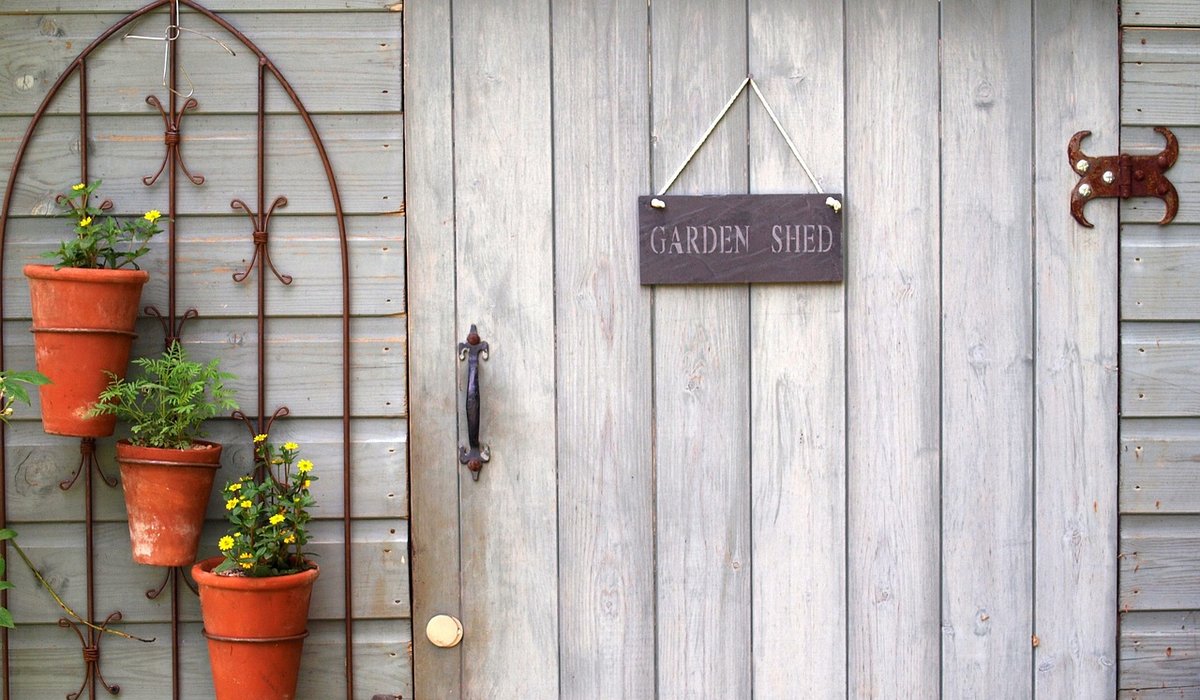
Now for your own retreat. A simple wooden bench, a folding chair, or a small garden shed or den will give you a place to sit still and watch. Position your seat so you have a clear view of the pond, the log pile, and the flowering plants, but keep it at least two metres away from the busiest wildlife areas so you do not disturb them. A small summerhouse or a converted shed can be a lovely man cave or reading nook, but keep it rustic and untreated where possible. Add a green roof if you can, using sedum or wildflower turf, to attract more insects. A willow screen or a pergola with climbing honeysuckle will provide shade and shelter. Hang a bird feeder or a bird bath nearby, but not directly above your seat to avoid droppings. Then simply sit, breathe, and let the garden come to you. Within weeks, you will see more birds, bees, and butterflies than ever before.

4 Comments